
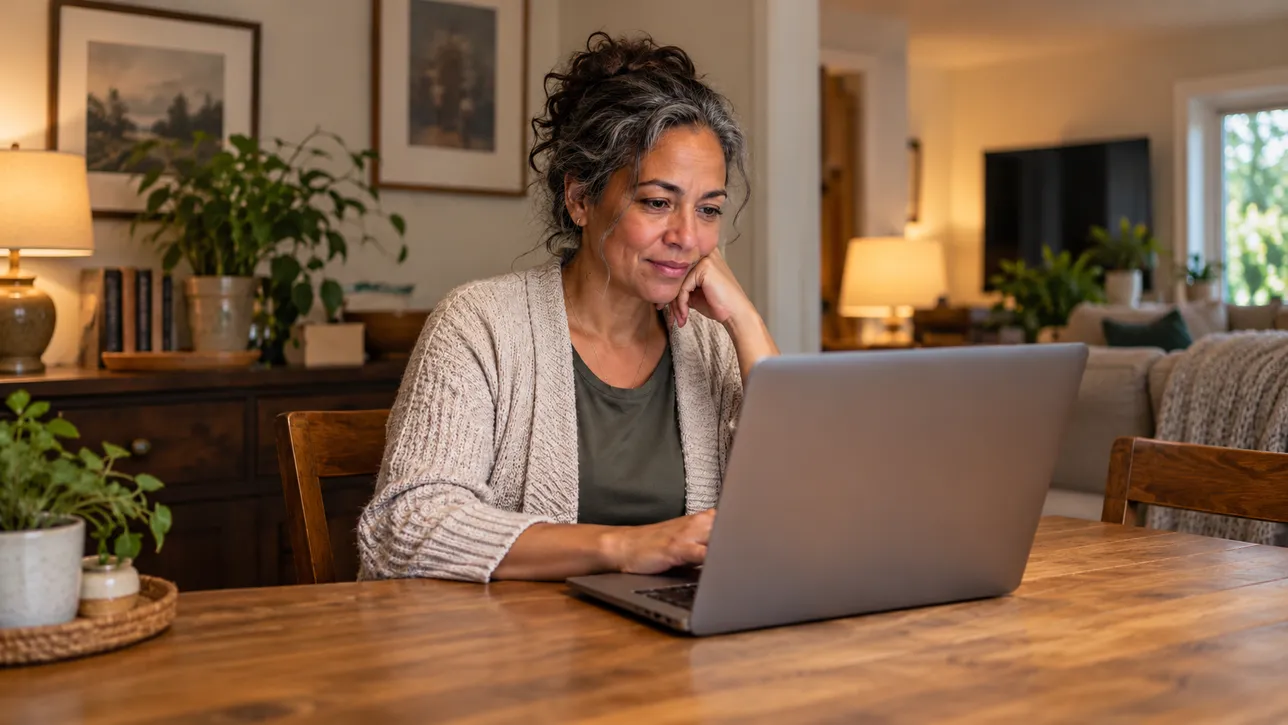
Online dating can bring warm new friendships and, for some, a new partner. A little knowledge about romance scams lets you enjoy it with confidence, because once you know what a scam looks like, it becomes much easier to spot.
This guide covers the usual warning signs, what to do if you have concerns, and where to report a scam in each of the countries WidowHearts serves.
Common warning signs
Romance scammers tend to follow a familiar pattern. They may ask you to leave the dating site for a private messaging app or text messages very early on, which moves the conversation away from a place where it could be reported. They often declare deep feelings within days, calling you their soulmate long before you have met.
Another sign is someone who never quite manages a video call or a meeting. The camera is always broken, the signal is poor, or work keeps them overseas, at sea or with the armed forces. Each time plans are made, a new excuse appears.
Sooner or later, a request for money arrives. It might be for a sudden medical bill, a plane ticket, customs fees, a business problem or a family emergency, and it usually comes wrapped in a sad, urgent story. Scammers may ask for gift cards, cryptocurrency or bank transfers, or ask you to receive money and pass it on for them. Any request like this, however small or heartfelt, is a clear signal to stop.
Why bereaved people can be targeted
Fraudsters deliberately look for people who may be lonely or facing a big change in their lives. After losing a partner, it is natural to miss attention, kindness and someone to talk to each evening, and a scammer will try to fill that space with constant messages and flattery.
They may also assume that a widow or widower has savings, a pension or insurance money. None of this reflects on you or your judgement. Clever, sensible people are taken in, because these criminals are practised at manipulation. Understanding their methods is one of your strongest protections.
What to do if you are worried
If something feels wrong, stop all contact straight away. You do not owe the person an explanation, and there is no need to tell them you are reporting them. Never send money, gift cards or account details, and do not agree to receive or move money on their behalf.
Keep evidence. Take screenshots of the profile and your messages, and note any names, phone numbers, email addresses or payment details they gave you. Then use the report option on the site or contact the site's support team so the profile can be looked into.
If you have already paid anything, tell your bank or card provider straight away, using the number on the back of your card or on their official website. Acting quickly can help them try to stop a payment. Talk to someone you trust as well; you do not have to deal with this alone.
Where to report a scam
Once you have reported the profile and spoken to your bank, report the scam to the official body where you live:
-
England, Wales and Northern Ireland: Report Fraud, the national reporting centre that has replaced Action Fraud. You can report online or call 0300 123 2040.
- Scotland: contact Police Scotland on 101, as set out on their non emergency contact page.
- United States: the Federal Trade Commission at ReportFraud.ftc.gov.
- Canada: the Canadian Anti Fraud Centre, and your local police.
- Australia: Scamwatch, run by the Australian Competition and Consumer Commission.
- New Zealand: Netsafe for online scams, and the police through their 105 non emergency service.
- Ireland: any Garda station, as advised on the An Garda Siochana fraud page. The station directory will help you find the nearest one.
- South Africa: your nearest South African Police Service station, where you should ask for a case number. SABRIC, the banking risk centre, also offers guidance on scams.
Reporting helps the authorities connect cases and warn others, even when money cannot be recovered.
Protecting yourself as you date
Simple habits make it much harder for a scammer to get anywhere. Keep conversations on the dating site until you have met and feel comfortable, and be careful about sharing details of your finances, home or family in early messages.
A reverse image search of a profile photo can sometimes reveal pictures taken from elsewhere online. Suggest a video call early on; a genuine person will usually be glad to agree, even if they feel a little shy.
Above all, go at a pace that suits you. If you are still finding your feet, our thoughts on being ready for a new relationship may help, and when you do feel ready to meet, our gentle first date ideas include safety tips for the day itself.
Staying alert does not mean closing your heart; it simply means letting trust grow at its own speed. Ready to date with confidence among people who understand? Join WidowHearts Dating today.